
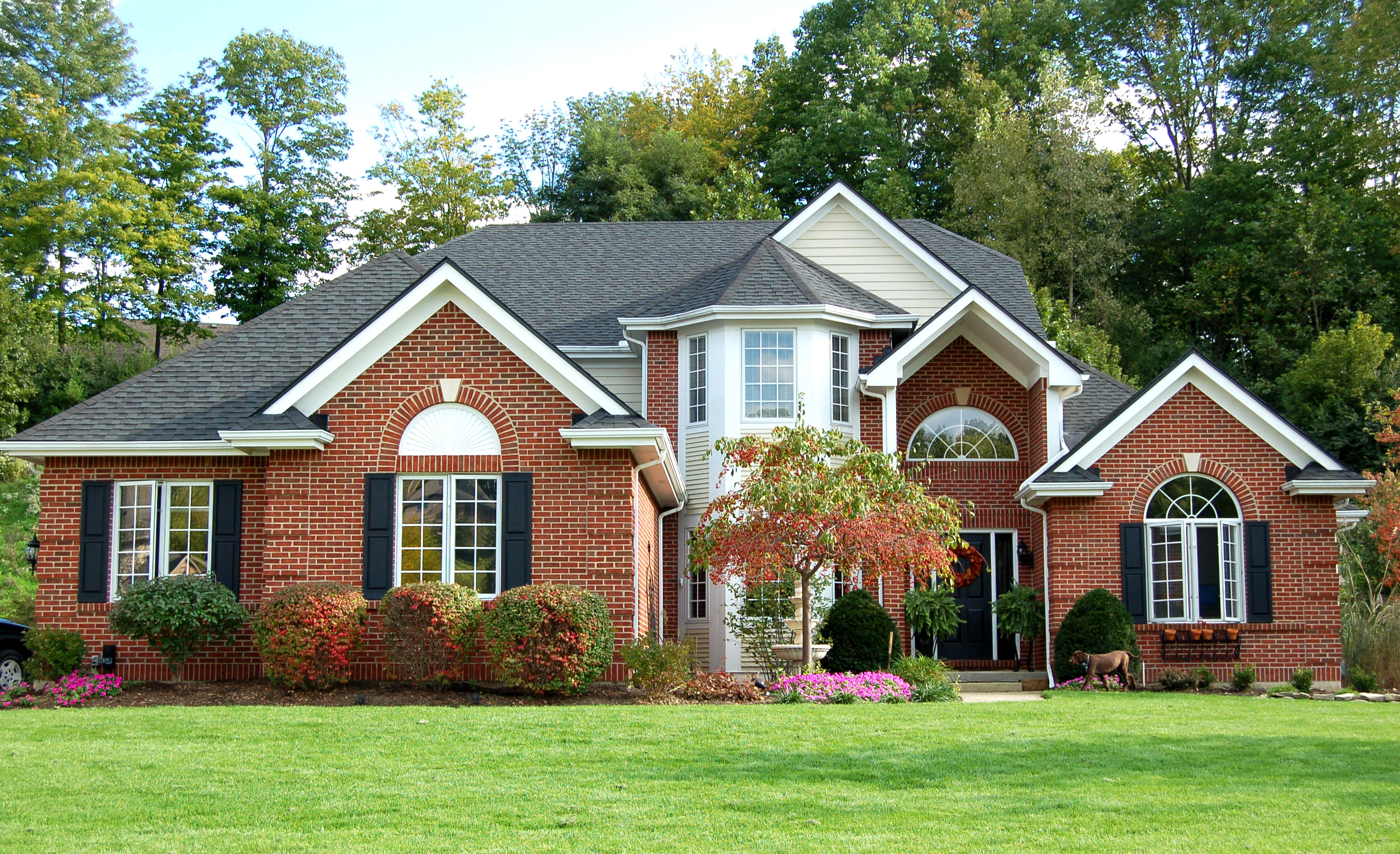

Brick and stone buildings are admired for their strength and beauty, but even the sturdiest structures rely on hidden support systems to stay safe. One of the most important of these is the metal lintel—a steel bar or angle that sits above doors, windows, and other openings to bear the weight of the masonry above.
Like any material exposed to the elements, lintels don’t last forever. Rust, water damage, and age can all take their toll, leading to serious structural issues if ignored. Knowing when it’s time for metal lintel replacement Chicago can save you from costly repairs and dangerous failures.
What Is a Metal Lintel?
A metal lintel is a horizontal support, usually made from steel, that distributes the weight of bricks or stones above an opening. Without it, the masonry would collapse under its own weight. Lintels are designed to be strong and long-lasting, but constant exposure to moisture and temperature changes eventually weakens them.
Warning Signs Your Metal Lintel Needs Replacement
Not all lintel problems are obvious at first. Here are the most common red flags homeowners should watch for:
1. Rust or Corrosion
Steel and moisture don’t mix well. When water penetrates your masonry, it can cause the lintel to rust and expand. This expansion puts pressure on surrounding bricks, leading to cracks and displacement. If you see rust stains near window or door frames, it may be a sign the lintel is deteriorating.
2. Cracks in the Masonry Above Openings
Cracks that radiate outward from the corners of windows or doors are often linked to lintel failure. As the metal weakens, it can no longer properly support the weight, causing the masonry above to shift and crack.
3. Bowing or Sagging Bricks
If the bricks above a window or door begin to bow, bulge, or sag, it’s a clear sign the lintel has lost its strength. This is one of the most serious indicators that immediate metal lintel replacement is needed.
4. Water Leaks Around Windows or Doors
A failing lintel can disrupt the natural drainage of your wall, allowing water to seep inside. If you notice moisture, peeling paint, or mold near windows and doors, your lintel may be part of the problem.
5. Gaps Between the Masonry and the Frame
Shifting caused by lintel damage often creates gaps between brickwork and the window or door frame. These gaps not only compromise the look of your home but also affect insulation and energy efficiency.
Why Metal Lintel Replacement Matters
Ignoring lintel problems doesn’t just affect curb appeal—it puts the entire structure at risk. A weakened lintel can cause bricks to loosen, walls to destabilize, and water damage to spread deeper into your home. By scheduling metal lintel replacement early, you protect your property from:
- Costly structural repairs
- Water infiltration and mold growth
- Decreased property value
- Safety hazards from falling masonry
Your home’s brickwork may look solid, but behind the scenes, metal lintels play a vital role in keeping everything secure. Recognizing the warning signs—like cracks, rust, and sagging bricks—can help you act before small issues become major failures.
If you’ve noticed any of these red flags, it’s time to consult a masonry professional about metal lintel replacement. Addressing the problem now will restore the strength of your structure, improve safety, and keep your home looking beautiful for years to come.