
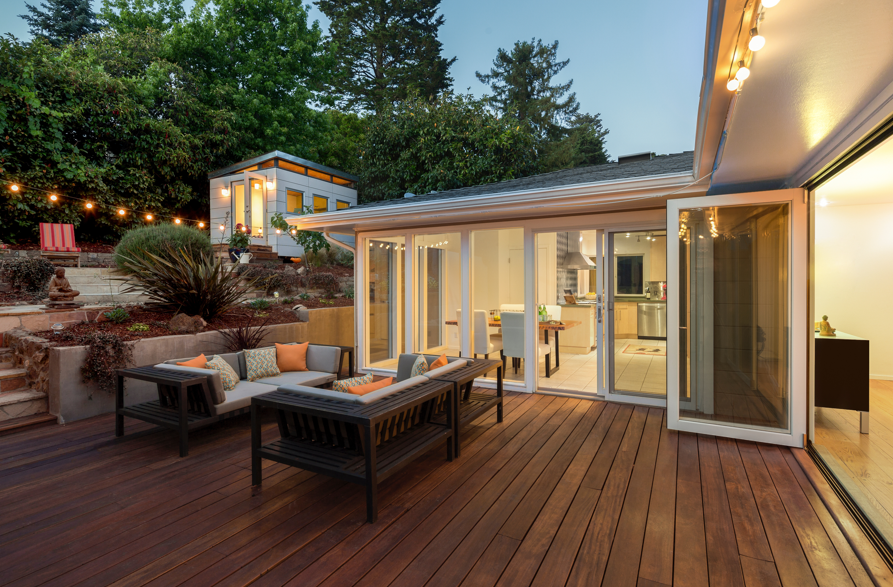

Wood vs. Composite Decking: Pros, Cons, and Long-Term Costs Compared
Choosing the right decking material is one of the most important decisions homeowners face when planning an outdoor living space. Two of the most popular options are traditional wood decking and composite decking. While both materials can create beautiful and functional decks, they differ significantly in cost, maintenance, durability, and appearance.
Wood porch builders chicago remains a classic choice for homeowners who appreciate natural beauty and authentic character. Popular wood species such as cedar, redwood, and pressure-treated lumber offer a warm, traditional look that many people find appealing. Initial installation costs are often lower than composite alternatives, making wood an attractive option for budget-conscious homeowners.
However, wood decking requires ongoing maintenance to preserve its appearance and structural integrity. Regular staining, sealing, and cleaning are necessary to protect the material from moisture, UV exposure, and insect damage. Over time, these maintenance costs can add up significantly. Wood is also more susceptible to cracking, splintering, warping, and fading, especially in regions with harsh weather conditions.
Composite decking has gained popularity because it combines wood fibers with recycled plastics to create a durable and low-maintenance product. Unlike traditional wood, composite boards resist moisture, rot, insect damage, and fading. Homeowners typically only need occasional cleaning with soap and water to keep composite decks looking great.
The main drawback of composite decking is the higher upfront cost. Materials and installation expenses can be considerably greater compared to pressure-treated wood. However, many homeowners find that the reduced maintenance requirements offset the initial investment over time.
When evaluating long-term costs, it is important to consider more than the purchase price. A wood deck may require annual maintenance, repairs, and eventual board replacement. Composite decking generally offers a longer lifespan and lower maintenance expenses, which can result in lower ownership costs over 15 to 25 years.
Appearance is another factor to consider. Modern composite products closely mimic the texture and color variations of natural wood, though some homeowners still prefer the authentic look and feel of real lumber. Ultimately, the best choice depends on your budget, maintenance preferences, and aesthetic goals.
Before making a final decision, consult an experienced deck builder who can evaluate your property, explain local climate considerations, and recommend the most suitable material for your project. Investing in the right decking material today can provide years of outdoor enjoyment and lasting value for your home.