
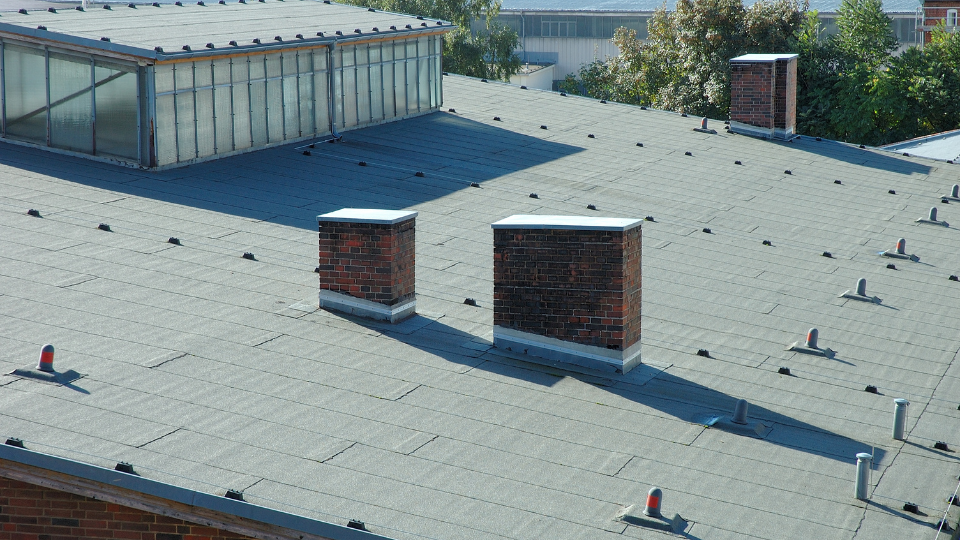

When it comes to safeguarding your business, commercial roofing plays a vital role. Unlike residential roofing, commercial roofing involves unique materials, designs, and installation techniques tailored specifically to meet the needs of commercial buildings. Whether you’re constructing a new facility or maintaining an existing one, understanding the ins and outs of commercial roofing is essential.
Types of Commercial Roofing Systems
Commercial roofing isn’t one-size-fits-all. There are several types, each offering distinct advantages:
- Flat Roofing: Commonly used in commercial buildings, flat roofs are cost-effective and provide ample space for equipment like HVAC systems and solar panels. Popular materials for flat roofs include EPDM, TPO, and PVC, known for their durability and energy efficiency.
- Metal Roofing: Metal roofs are renowned for their longevity and ability to withstand extreme weather. They require minimal maintenance and offer excellent fire resistance, making them a safe and sustainable option for commercial properties.
- Built-Up Roofing (BUR): BUR systems consist of multiple layers of bitumen and reinforcing fabrics, providing excellent durability and weather resistance. This type of commercial roofing is ideal for buildings needing robust protection against harsh conditions.
- Modified Bitumen Roofing: This system combines the reliability of BUR with modern technology, offering enhanced flexibility and durability. It’s suitable for various commercial applications, especially in areas with fluctuating temperatures.
Key Factors to Consider in Commercial Roofing
Planning a commercial roofing project involves several critical considerations:
- Climate and Weather Conditions: Your local climate significantly influences the choice of commercial roofing materials. They must be selected based on their ability to withstand regional weather patterns, including rain, snow, wind, and UV exposure.
- Building Design and Usage: The design and intended use of the building impact the choice of roofing. Considerations like roof slope, load-bearing capacity, and rooftop equipment must be factored in.
- Energy Efficiency: Energy-efficient roofing systems can reduce heating and cooling costs. Reflective materials, proper insulation, and energy-efficient designs help maintain optimal indoor temperatures and cut down on energy consumption.
- Maintenance and Longevity: Regular maintenance is key to extending the lifespan of commercial roofs. Think about the ease of maintenance and availability of repair services for your chosen roofing material.
- Compliance and Regulations: Commercial roofing projects must adhere to local building codes and regulations. Ensuring your roofing system meets all necessary standards is crucial for safety and legality.
Getting your commercial roofing professionally installed is crucial for its performance and longevity. Hiring experienced, certified roofing contractors ensures the installation is done right, preventing issues like leaks, poor insulation, and structural damage. Plus, regular inspections and maintenance by professionals help catch and fix problems early, saving you from costly repairs and extending the roof’s lifespan.
Investing in commercial roofing near me is essential for any business, providing protection, energy efficiency, and long-term savings. By understanding the different types of commercial roofing systems and considering factors such as climate, building design, and maintenance, you can make informed decisions that ensure your roofing system’s durability and effectiveness. Remember, professional installation and regular maintenance are key to getting the most out of your commercial roofing investment.